Let’s start with a simple truth—knowing something is good, but being able to do it is better.
That’s exactly where vocational training stands apart.
Many students spend years studying theory but still feel unprepared for real work. At the same time, industries actively look for people who can handle tools, solve problems, and deliver results from day one.
Vocational training fills this gap.
It focuses on practical skills, real-world tasks, and job readiness. Whether someone wants to get a job quickly or start their own work, skill-based education offers a clear path.
Vocational training focuses on practical skills that prepare you for real jobs. You learn by doing, not just by reading. Whether you want a stable career or plan to start your own work, skill-based training offers a strong path forward.
This guide explains everything in simple terms—no confusing theory, only practical insights.
Table of Contents
What is Vocational Training?
Vocational training is a form of education that teaches practical skills required for a specific job or trade. It focuses on hands-on learning instead of theory, making learners job-ready in a short time.
It is also known as:
- Skill development
- Career and technical education
- Trade training
Unlike traditional education, vocational training focuses on doing the work, not just understanding it.
The main goal is simple—make you job-ready.
Examples:
- Electrician training → Wiring and installation
- Welding → Fabrication and joining metals
- Carpentry → Furniture and structure work
In simple terms, vocational training helps you learn how to do a job, not just study it.
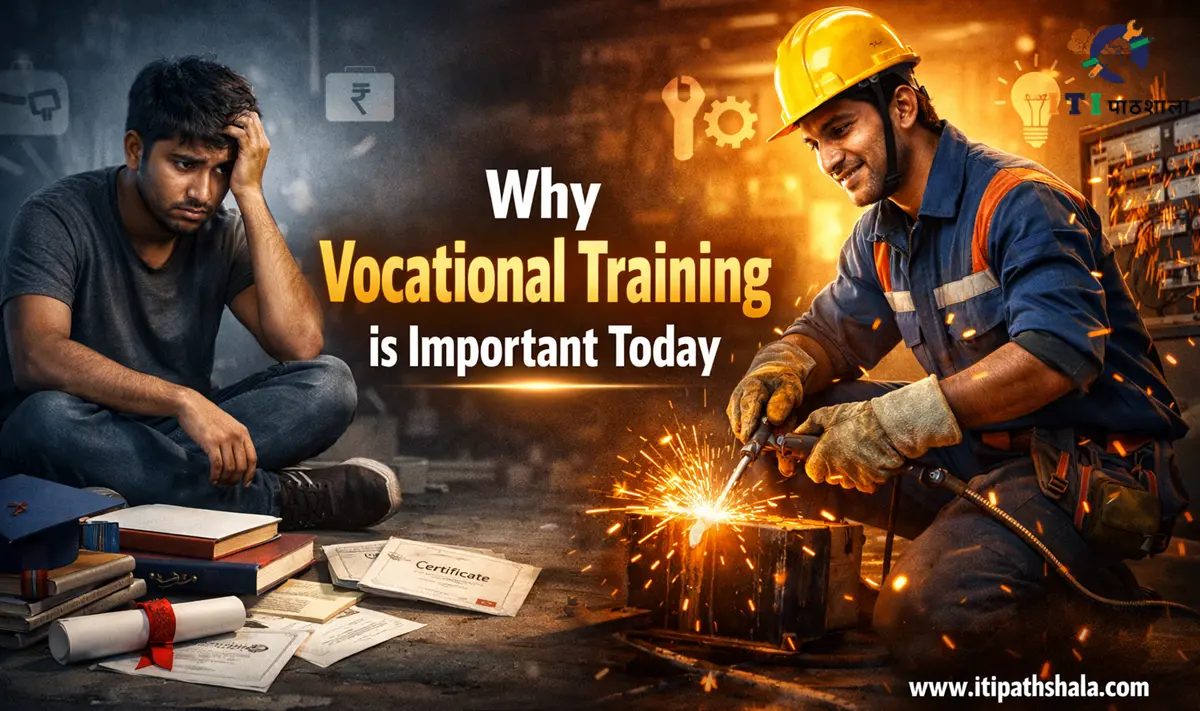
Why Vocational Training is Important Today
1. Growing Demand for Skilled Workers
Industries need skilled professionals across sectors like construction, manufacturing, and services.
According to the International Labour Organization, skill shortages remain a key challenge in global labor markets. This demand creates real opportunities for trained individuals.
2. Faster Entry into Jobs
Most vocational training courses take between 6 months and 2 years.
This means:
- You finish training faster
- You start earning earlier
That’s a practical advantage many people value.
3. Industry-Focused Learning
Vocational training aligns closely with industry needs.
You learn:
- Tools and equipment
- Safety practices
- Real job tasks
This reduces the gap between learning and working.
4. Cost-Effective Education
Compared to many academic programs, vocational training often costs less and offers faster returns.
You invest time and money—but you see results sooner.
Types of Vocational Training Courses
Vocational training covers a wide range of fields. You can choose based on your interest and career goals.
Technical Trades
These form the backbone of industries:
- Electrician
- Fitter
- Turner
- Welder
These roles require precision, skill, and hands-on expertise.
Non-Technical Courses
Not all vocational skills involve machines.
- Hospitality
- Retail
- Beauty and wellness
These fields focus on service, communication, and customer experience.
IT and Digital Skills
Modern vocational training includes technology:
- Basic computer training
- Web development
- Digital marketing
These skills open doors to both jobs and freelance work.
Apprenticeship Programs
Apprenticeships combine:
- Classroom learning
- Real workplace training
Programs supported by the National Skill Development Corporation promote hands-on experience and employability.
Key Benefits of Vocational Training
Job-Ready Skills
You gain practical knowledge that directly applies to real work. You don’t just understand the job—you can actually do it.
High Employability
Employers prefer candidates who:
- Understand tools
- Require less training
- Can start quickly
Vocational training meets these expectations.
Self-Employment Opportunities
Skills create independence.
You can:
- Start a repair shop
- Offer services
- Work as a freelancer
Many successful small businesses begin with vocational skills.
Career Flexibility
You can:
- Upgrade your skills
- Learn new trades
- Shift industries
This flexibility helps you grow over time.
Vocational Training vs Traditional Education
| Factor | Vocational Training | Traditional Education |
|---|---|---|
| Focus | Practical skills | Theory-based |
| Duration | Short-term | Long-term |
| Cost | Lower | Higher |
| Job readiness | High | Moderate |
Both paths have value, but vocational training offers faster career entry.
Vocational Training vs Trade School vs Degree
Vocational training and trade schools focus on skill-based learning, while degrees focus more on academic knowledge.
- Trade school → Practical job training
- Vocational training → Skill-based certification
- Degree → Broader academic education
Choosing the right path depends on your career goals.
Who Should Choose Vocational Training?
Vocational training is ideal for:
- Students who want early employment
- Individuals who prefer practical work
- People looking for job-oriented courses
- Those planning to start their own business
How to Choose the Right Vocational Course
Identify Your Interest
Ask yourself:
- Do I enjoy working with tools?
- Do I prefer technical or service work?
Interest keeps you consistent.
Check Job Demand
Look for trades that have steady demand.
For example:
- Electricians
- Welders
- Technicians
These roles remain essential across industries.
Verify Institute Quality
Always check:
- Accreditation
- Training facilities
- Practical exposure
A good institute focuses on skill, not just certificates.
Focus on Practical Training
Practical training matters the most.
If a course offers only theory, it defeats the purpose.
Challenges in Vocational Training
No system is perfect. Vocational training also faces challenges.
Social Perception
Many people still believe degrees are better than skills. This mindset is changing slowly.
Quality Differences
Not all training centers offer good education. Always verify before enrolling.
Lack of Awareness
Many students don’t know available options. Better guidance can solve this issue.
The Future of Vocational Training
Vocational training continues to evolve with changing industries.
Technology Integration
Training now includes:
- Simulation tools
- Digital learning platforms
- Modern equipment
This improves learning outcomes.
Industry Collaboration
Companies work with training institutes to:
- Design courses
- Provide internships
- Hire trained candidates
This makes training more relevant.
Global Opportunities
Skilled workers are needed across different industries worldwide.
This creates opportunities for trained professionals beyond local markets.
Career Scope After Vocational Training
After completing vocational training, you can:
- Get a job in industries
- Work as a technician
- Start your own service or workshop
- Upgrade your skills further
👉 Skilled professionals are always needed, which ensures long-term opportunities.
Practical Insight
Consider this situation:
One person spends several years studying theory. Another completes a skill-based course and starts working earlier.
After a few years:
- The second person has experience
- The first person is still building it
This does not mean one path is better for everyone. It simply shows that skills can accelerate career growth.
Tips to Succeed in Vocational Training
- Practice regularly
- Follow safety procedures
- Learn from experienced professionals
- Build a portfolio of your work
- Keep upgrading your skills
💡 Consistency plays a key role in success.
Conclusion
Vocational training is a practical, job-focused education system that helps you gain real skills and start earning faster.
It offers:
- Real skills
- Faster employment
- Strong earning potential
In today’s world, employers value what you can do. Skills create opportunities, and vocational training helps you build those skills.
And let’s be honest—being the person who can actually fix things is always a powerful advantage.
Frequently Asked Questions (FAQ)
What is vocational training?
Vocational training teaches practical skills for specific jobs like electrician, welder, or technician.
How long does vocational training take?
Most courses take between 6 months and 2 years.
Is vocational training a good career option?
Yes. It offers faster job opportunities and practical skills.
What are examples of vocational courses?
Electrician, welding, carpentry, hospitality, and digital skills.
Sources & References
- International Labour Organization – Skills and employment reports
- National Skill Development Corporation – Skill development initiatives
- Ministry of Skill Development and Entrepreneurship – Policy and training frameworks